Insights from D. Brown Management
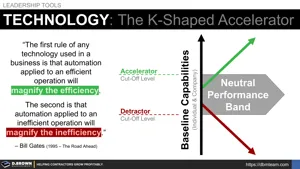
Technology: The K-Shaped Accelerator
 D. Brown Management
June 6, 2026
D. Brown Management
June 6, 2026
Choosing the right technology—including construction tools, equipment, materials, methods, and software systems—requires understanding the baseline capabilities of the people who will ultimately use it.
technology
The Apprentice Who Knows Everything – A Look Inside AI
 Steve Jost
March 30, 2026
Steve Jost
March 30, 2026
AI tools are powerful, but what's happening inside them? This article opens the hood on how large language models work, using construction analogies to explain why clear direction and good specs matter just as much with AI as they do on a jobsite.
artificial-intelligence problem solving technology
AI as a Tool and as an Enabler
Steve Jost
March 22, 2026
Construction was built on innovations that were met with skepticism first. From the batch plant to the pneumatic nailer, tools that became industry standards started out as unproven ideas that only a few early adopters were willing to bet on.
artificial-intelligence history team building technology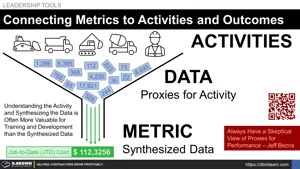
Connecting Metrics to Activities and Outcomes
D. Brown Management
March 31, 2024
Outcomes are created through doing the right activities. Data is only a proxy for that activity and a metric is a synthesis of lots of data points. Metrics are valuable, but always have a skeptical view of proxies for performance, especially with growth.
business management scoreboard technology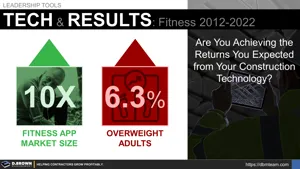
Technology and Results - Ensure Alignment
D. Brown Management
January 14, 2024
For some, change is exciting, and this includes technology. Technology has dramatically changed the construction industry but that does not mean all technology creates results. Are you achieving the results you want from your technology?
technology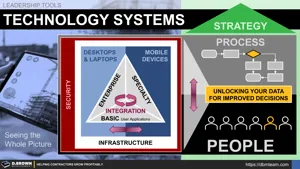
Technology Systems – Seeing the Whole Picture
D. Brown Management
January 14, 2024
Construction technology systems from infrastructure through specialty applications are complex. Understanding all the major pieces, how they integrate, and how they help you achieve your strategy is critical for all levels of leadership.
technology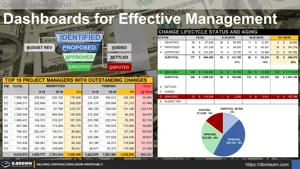
Change Management Dashboards
D. Brown Management
March 29, 2019
Summarize your detailed change tracking logs with concise dashboards that give you critical information in a format that allows you to see the big picture while still having enough information to be actionable.
business management change management process standardization project management technology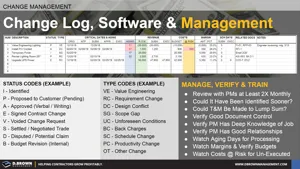
Change Tracking Log & Management
D. Brown Management
March 28, 2019
Great change management starts with a good tracking system. The far more important part of change management is the rigorous review process at least 2X monthly with your PMs that will limit your risk, increase your opportunities, and train your team.
change management financial management process standardization project management technology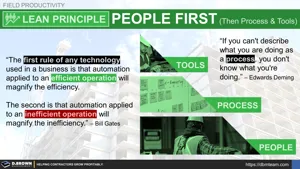
Lean Principle - People First (Then Process and Tools)
D. Brown Management
September 24, 2018
To optimize productivity, a contractor must focus on their people first, then processes and tools including technology as an integrated management system with a hierarchy. This is not a linear process: S.M.A.R.T. Experiments + Continuous Improvement.
field productivity lean construction talent development technology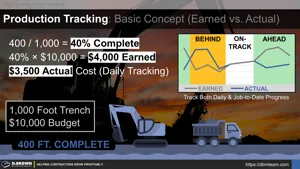
Production Tracking - The Basics
D. Brown Management
September 4, 2018
Schedule + Production are two foundational key results the Foreman will achieve through their planning. The heart of any production measurement is simply “Earned Budget vs. Actual Cost”.
budget management labor productivity production tracking project management schedule management technology